
Stationary Cupping
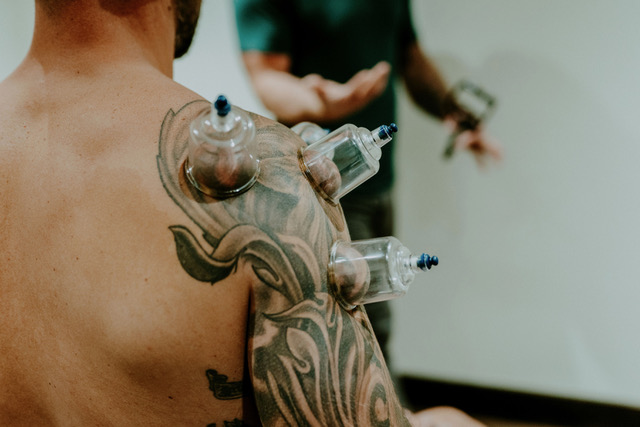
One or more cups remain in selected positions for a controlled period. This approach allows focused suction over a smaller area.



Soft Tissue Therapy
A soft tissue technique using suction to support tissue mobility, circulation, and recovery.
Windy Ridge uses cupping as a practical, movement-focused therapy—not a detox treatment or a generic spa add-on. Application is adjusted to the area, your comfort, and the purpose of the visit.
Understanding the technique
Specially designed cups create controlled suction that lifts the skin and superficial tissue into the cup.
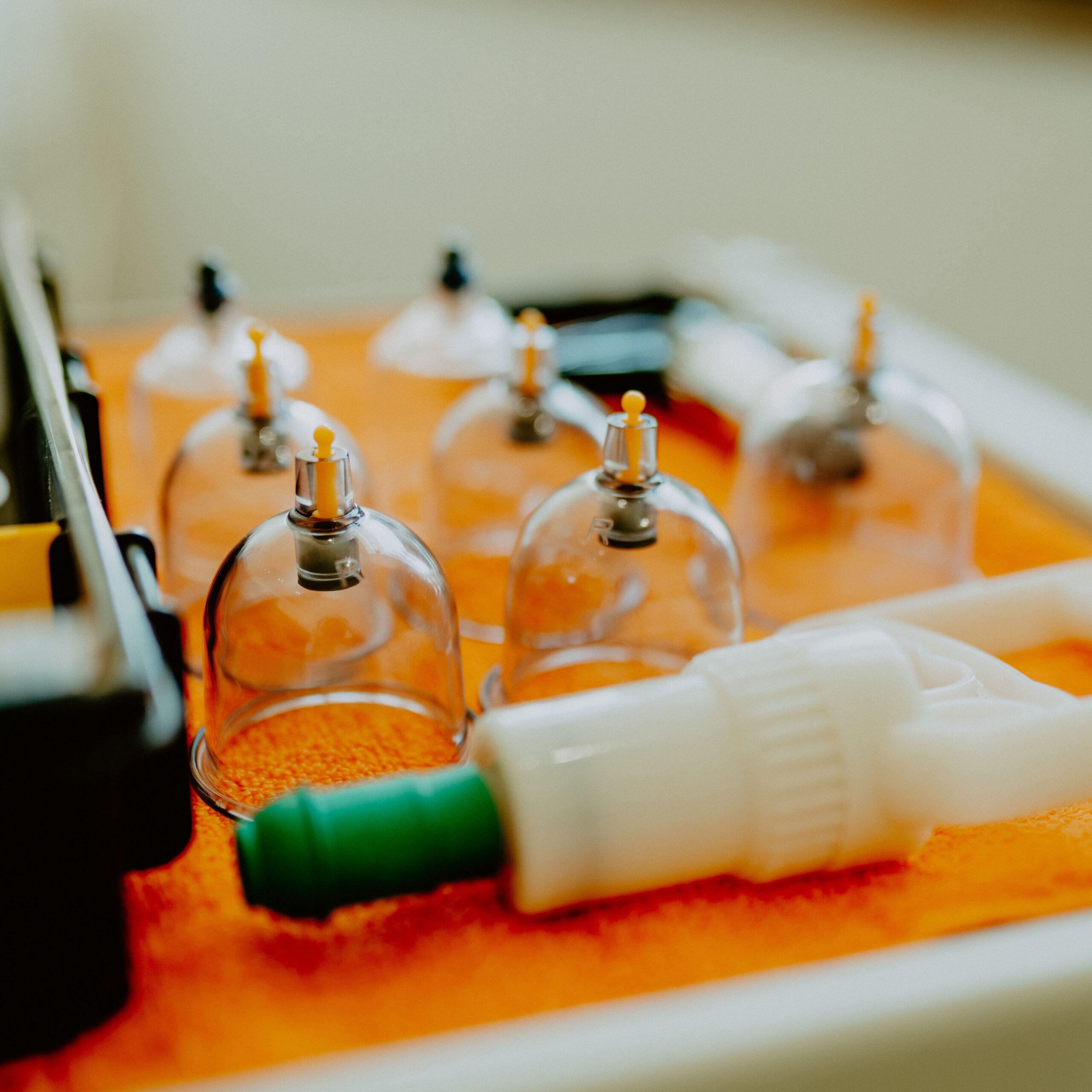
The lifting effect of suction changes how pressure is applied to the tissue compared with hands-on compression. A provider may use that difference to address a tight or sensitive area and support comfortable movement.
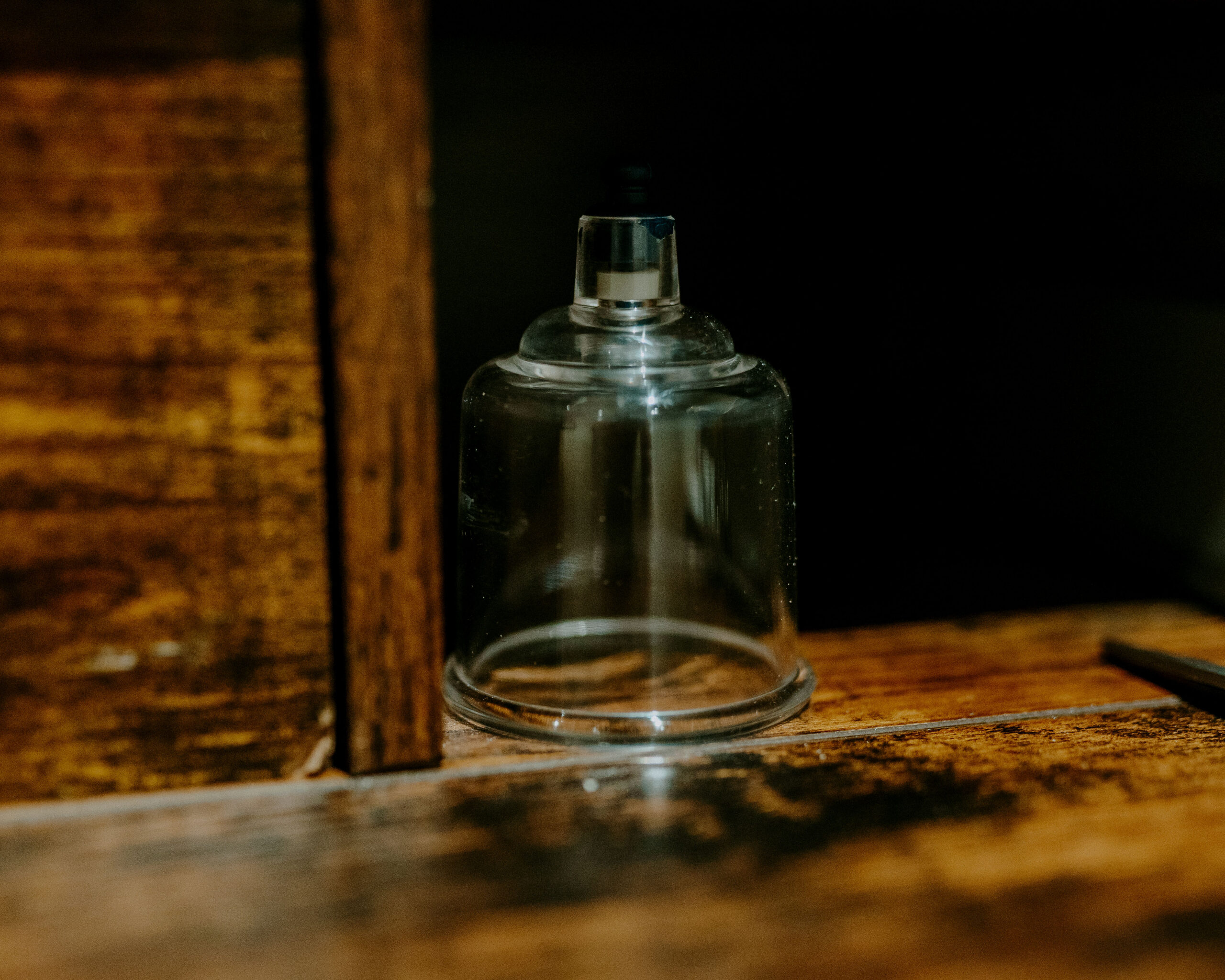
Modern cups may be plastic, glass, or silicone. The amount of suction, placement, and treatment time are adjusted to the patient and the region being treated.
Cupping is not presented as a way to remove toxins. At Windy Ridge, it is used as a conservative soft tissue option when it fits the examination and care plan.
Two common applications
The cup can stay in one location or move across a broader area. Each application creates a different tissue experience.
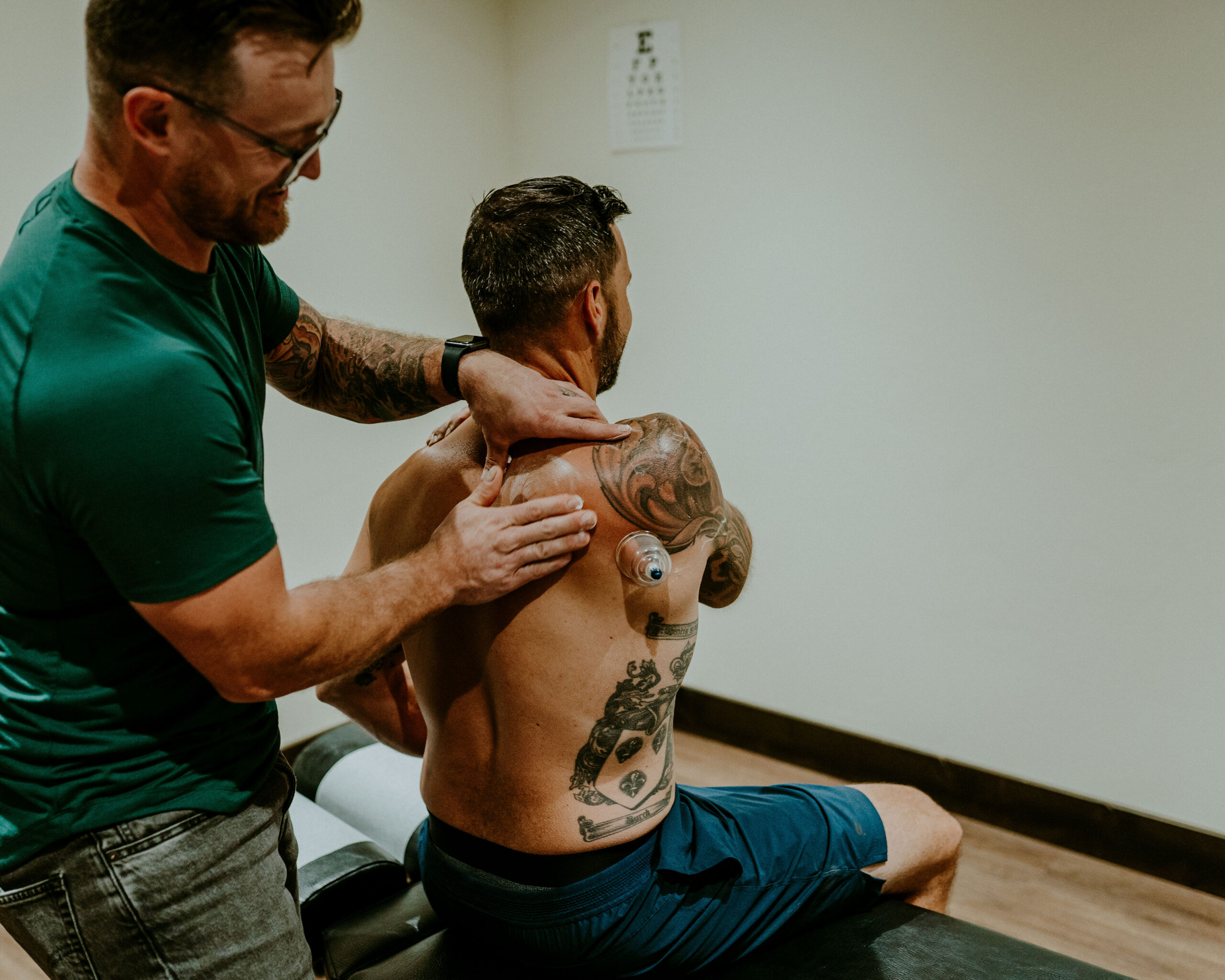
One or more cups remain in selected positions for a controlled period. This approach allows focused suction over a smaller area.
A cup moves across prepared skin to address a broader tissue region. Suction and speed are adjusted to comfort and response.
Part of a care plan
Cupping may be used before an adjustment, alongside another soft tissue technique, or as a focused part of a visit.
Your provider considers the location, sensitivity, skin condition, movement, and goals before selecting an application.
Stationary or sliding cupping is selected, and suction is adjusted to create a tolerable treatment experience.
Your provider may reassess motion and decide whether adjusting, movement, or another soft tissue step is useful.
During and after care
Circular color changes are a common reason patients ask about cupping. Their appearance can vary with suction, treatment time, location, and individual tissue response.
Cupping usually feels like pulling or pressure. Sliding applications add movement across the skin. Tell your provider if suction feels too strong.
Red or purple circles can occur where cups were placed. Although often called bruises, the marks are created by suction and may not feel like a typical impact bruise.
Temporary tenderness or skin sensitivity can occur. Follow your provider’s instructions and contact the clinic if you have an unexpected reaction.
Controlled applications
Cup type, placement, movement, and suction are selected according to the tissue area and care plan.
Related services
Cupping may be used alone within a visit or alongside another clinically appropriate technique.
Relevant providers
Technique and provider availability can vary. Windy Ridge can help you choose a starting point based on your goals and location.
Review the team or use Find Your Fit. A provider can explain whether cupping belongs in your care after an evaluation.
Frequently asked questions
Cupping uses controlled suction to lift the skin and superficial tissue into a cup. It may be used to support tissue mobility and movement-focused care.
Stationary cups stay in selected positions. Sliding cupping moves a cup across prepared skin to address a broader area.
Cupping can leave red or purple circles that are commonly called bruises, but they result from suction rather than an impact and may not feel like a typical bruise.
It may be used before an adjustment or alongside another soft tissue technique when tissue restriction affects movement or comfort.
No. Your provider should review your health history, skin condition, medications, and treatment area before deciding whether cupping is appropriate.
A focused next step
Schedule an evaluation or contact Windy Ridge with questions about cupping, provider routing, or what to expect.