
Localized Muscle Tension
A provider may consider dry needling when a focused area of muscle tension or sensitivity is relevant to the examination.



Soft Tissue Therapy
Targeted soft tissue care used to address muscle tension, trigger points, and movement-related discomfort.
Dry needling is one tool within a broader plan. Your provider first evaluates whether it fits your health history, examination, comfort, and movement goals.
Understanding the technique
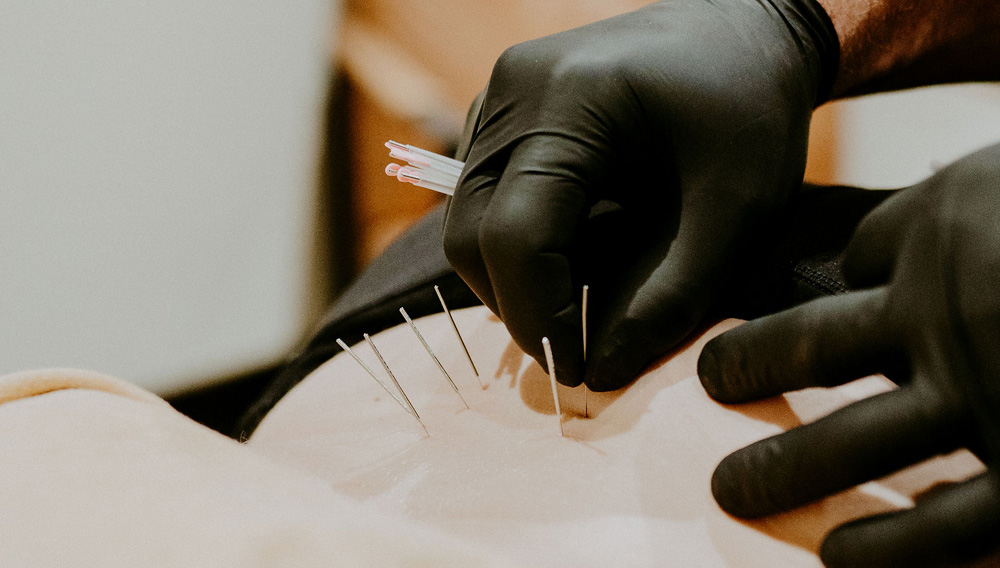
Dry needling uses thin, solid needles placed into selected soft tissue. No medication is injected—the word “dry” distinguishes the technique from an injection.
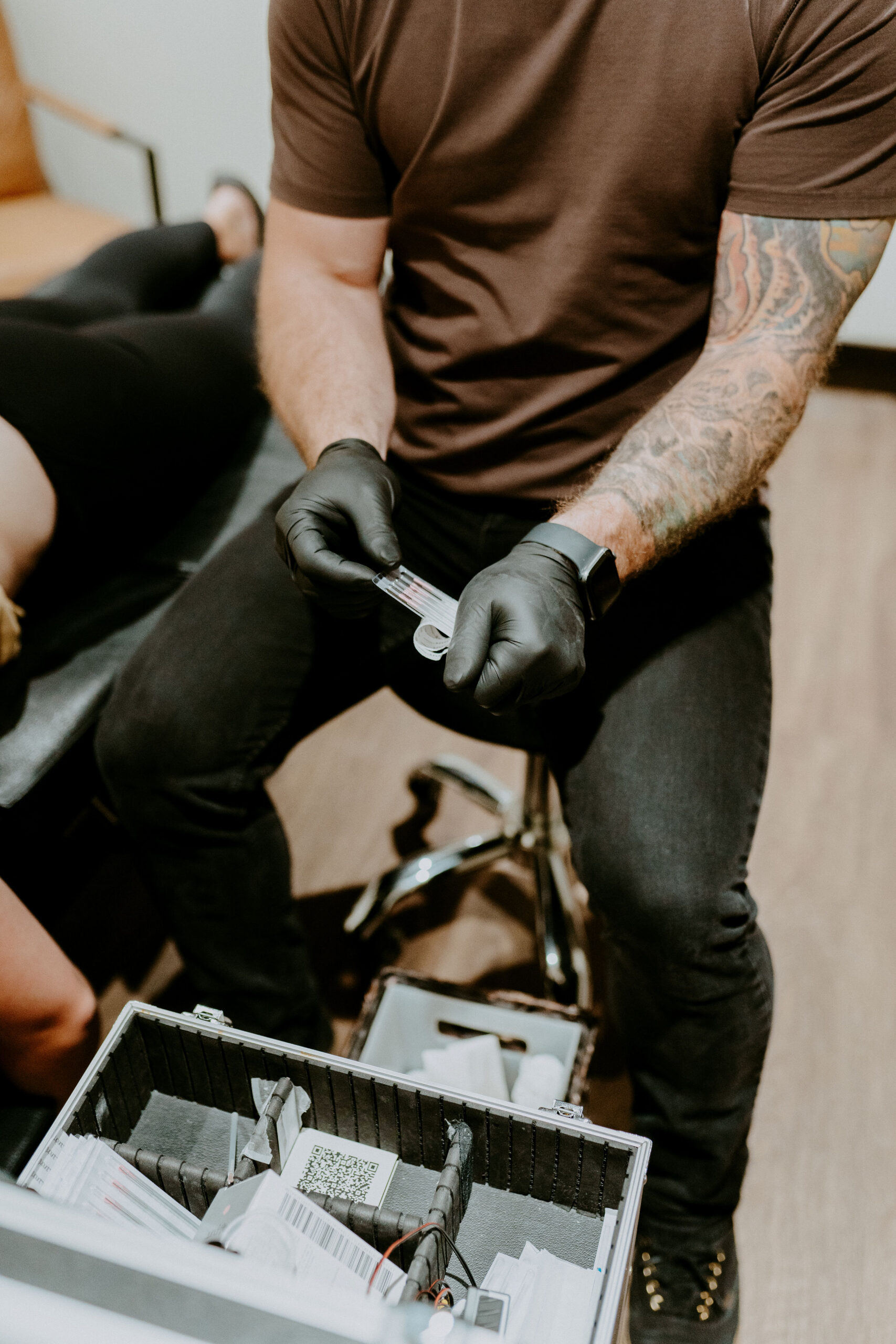
Your provider identifies tissue that may be contributing to tension, tenderness, or limited movement, then chooses whether dry needling is clinically appropriate for that area.
Dry needling and acupuncture both use fine needles, but they come from different clinical frameworks and are applied with different assessment and treatment goals. Describing that difference does not diminish either profession.
At Windy Ridge, dry needling is generally considered alongside movement, chiropractic adjusting, and other soft tissue options rather than presented as a stand-alone solution.
Why tissue response matters
Sensitive or guarded muscle tissue can change how an area tolerates pressure and movement. Dry needling may be one way to address that response.
A provider may consider dry needling when a focused area of muscle tension or sensitivity is relevant to the examination.
The technique may be used when muscle guarding appears to limit comfortable movement, training, work, or daily activity.
It may be considered when stretching, rest, or other conservative approaches have not fully changed a persistent tissue response.
A clinical decision
The goal is to choose the smallest useful combination of care based on your findings—not to add a technique automatically.
Your provider reviews your health history, medications, skin condition, needle comfort, and examination before recommending treatment.
Needles are placed only in selected areas, and the technique can be stopped or adjusted based on your response.
Your provider may follow treatment with movement, soft tissue work, or an adjustment when those steps are clinically appropriate.
During and after care
Responses vary by patient and treatment area. Your provider should explain what is happening and invite feedback throughout the visit.
You may notice pressure, an ache, or a brief muscle twitch or cramping sensation. Tell your provider if anything feels sharp, unexpected, or difficult to tolerate.
Temporary soreness or fatigue can occur. Follow the individualized aftercare guidance your provider gives you and contact the clinic with concerns.
Dry needling is not right for every patient or every visit. Share relevant health history, medications, skin concerns, and needle reactions so your provider can screen appropriately.
Focused and controlled
Treatment areas, patient positioning, and the number of needles can vary. The setup should stay specific to the plan and patient.

Related services
Different findings call for different tools. Your provider may recommend another service instead of or alongside dry needling.
Relevant providers
Provider availability and technique selection can vary. Windy Ridge can help route you based on your goals, location, and the care you are considering.
Use Find Your Fit or review the team before scheduling. Your provider will determine whether dry needling is appropriate after an evaluation.
Frequently asked questions
Dry needling is a soft tissue technique that places thin, solid needles into selected tissue. No medication is injected.
No. Both use fine needles, but dry needling and acupuncture arise from different clinical frameworks and use different assessment and treatment approaches.
You may notice pressure, an ache, or a brief twitch or cramp. Experiences vary, and you should tell your provider how the treatment feels.
Some patients experience temporary soreness or fatigue. Follow your provider’s aftercare guidance and contact the clinic if you have an unexpected or concerning response.
It can be used as one part of a visit, but it is often considered alongside movement, chiropractic adjusting, or another soft tissue technique based on the examination.
Ask before assuming
Schedule an evaluation or contact Windy Ridge if you have questions about the technique, provider routing, or what to expect.